

The word karate is a combination of two Japanese characters: kara, meaning empty, and te, meaning hand; thus, karate means "empty hand." Adding the suffix "-do" (pronounced "doe"), meaning "way," i.e., karate-do, implies karate as a total way of life that goes well beyond the self-defence applications. In traditional karate-do, we always keep in mind that the true opponent is oneself.
Karate may be defined as a weapon-less means of defence. It consists of dynamic offensive and defensive techniques using all parts of the body to their maximum advantage. Karate can also be described as a martial art, or fighting method, involving a variety of techniques, including blocks, strikes, evasions, throws, and joint manipulations.
Karate practice is divided into three aspects:
In each category the student is given instruction at the most basic level until the techniques become spontaneous. As the student progresses technically, they progress physically and practice demands greater stamina. At this stage students involve themselves with the more intricate and difficult katas and more dynamic forms of kumite.
As the student approaches black belt level, technique, stamina, speed and coordination become natural as a result of strong practice. It is at this stage that the serious student discovers that they have only just begun their study of karate. The object of true karate practice is perfection of oneself through the perfection of the art.
The idea behind the name Sankaku came from a special technique found in the kata Meikyo. The 'Sankaku Tobi' or 'Triangular Jump' enables a combatant to escape from a precarious position such as the edge of a cliff to an advantageous point behind his adversary.
a) On the physical level, the 3 facets (sometimes called the Trinity) of Shotokan Karate training - Kihon (Basics), Kata (Forms) and Kumite (Sparring) resulting in controlled power like that of the 'contained tiger' in the Shotokan emblem,
b) On the mental/psychological level, 3 important virtues from the Bushido Code (which contained 8 virtues of the Samurai class) that are still relevant to karateka of today - Ei yo ( Honour), Kokki (Character & Self-Control), Yuki (Courage - to do what is right), and
c) On the philosophical level, 3 other virtues from the Bushido Code fundamental to the concept of 'Do' in Karate-Do - Gi (Rectitude or Justice - considered the strongest virtue of Bushido), Seijitsu & Shinjitsu (Honesty & Sincerity) and Jin (Benevolence - considered the highest attribute of the human soul).
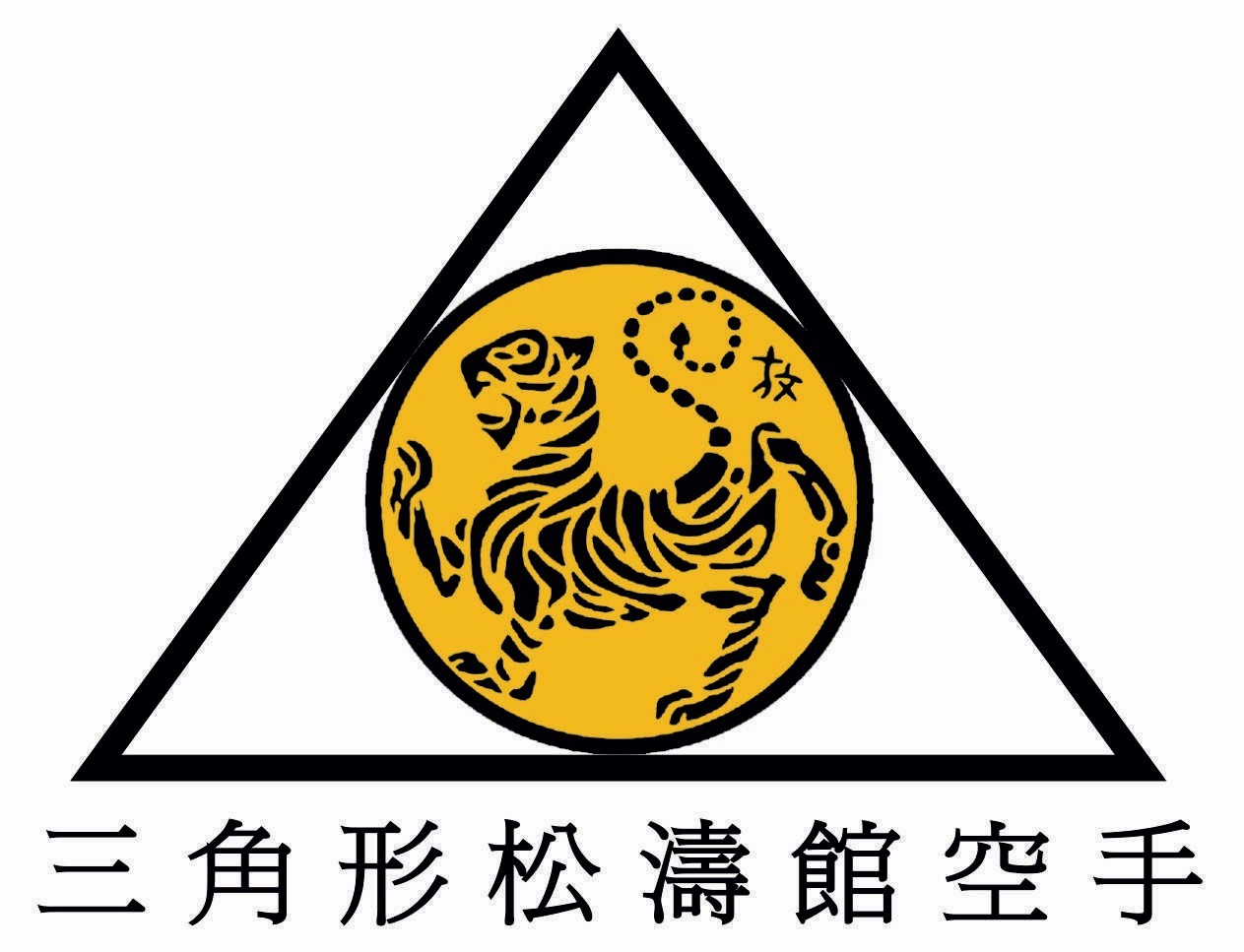
The three elements in the logo consist of:
a) The Sankaku/Triangle representing the art of Shotokan (Kihon, Kata and Kumite) as a 3 corner form.
b) The Shotokan Tiger. Master Gichin Funakoshi chose the tiger as the animal symbol to represent Shotokan. It signified strength, power, and tenacity.
c) The Club Name in Kanji.
Sankaku
Shotokan
Karate
3
corner
Form
pine
tao
mansion
empty
hand
In the 1970s and 1980s, there was significant worldwide interest in martial arts generally which has continued through to today. There are many different styles of martial arts, one of which is karate. One style of karate has grown to become one of the most popular – Shotokan.
Shotokan karate is practised by the Japan Karate Association (JKA) and was set up in 1955. It has grown to become the world’s largest karate association. The JKA has full time staff with which constant improvements are being made all the time. The JKA also maintain a specialist instructor programme to ensure high standards of understanding, skill and professionalism.
The branch of the JKA in England is the Japan Karate Association England (JKAE) and is affiliated to the JKA. It maintains he same standards as the JKA and has direct links to the senior instructors in Japan, as well as Europe who frequently feature at the many courses organised by the JKAE.
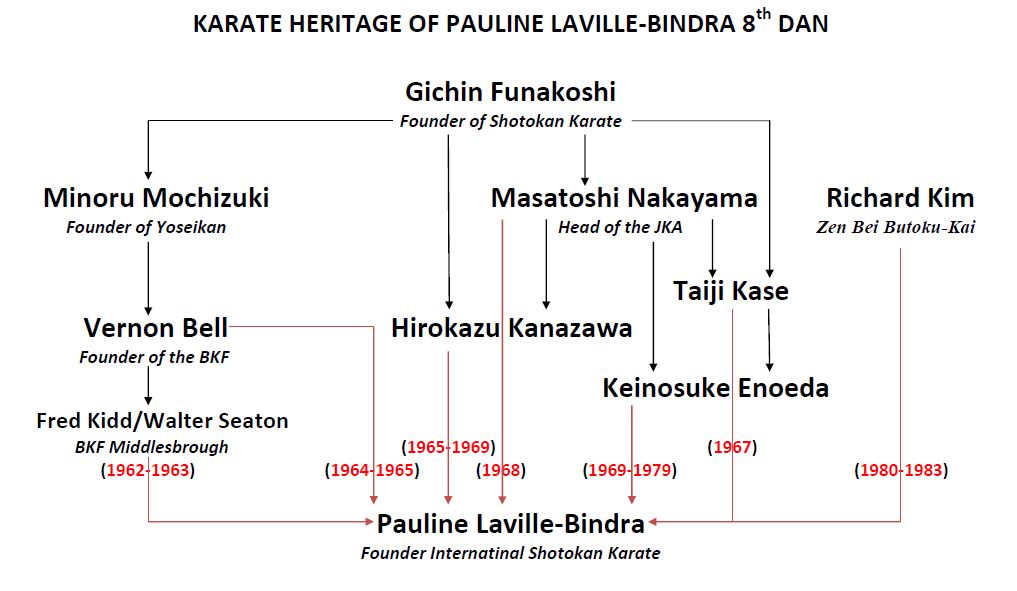
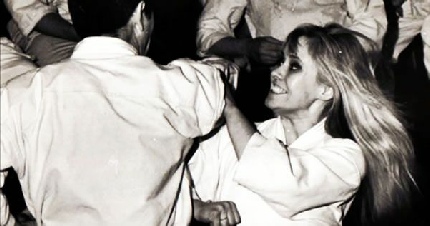
On this 5th anniversary of Sensei Pauline's passing, we look back with fond memories at the person who has been our inspiration for the last 30 years.
Sensei Pauline was, to us, an iron lady with a heart of gold. At 5 foot nothing, she had a commanding presence that emanated far beyond her small frame and an even greater commanding voice that could not be ignored. Yet, she was such a gentle soul who would overwhelm you with her kindness and generosity.
Sensei Pauline's achievements in life stand in testament to her tenacity and drive for perfection in everything she did. Although we have moved on, her strength of character and indomitable spirit live on in us who had the privilege of receiving her tutorage in Shotokan Karate which teaches us the very same values.
Forever grateful for showing us the way, Sensei.
Osu,